Experience the essence of Goan Matoli with an interactive, animated journey β learn why fruits are hung, explore the sacred meanings, see real photos, and dive into a Ganesh history timeline.
Matoli, a hallmark of Goan Ganesh Chaturthi, is a canopy decorated with fruits, vegetables, herbs, and forest offerings. It celebrates abundance, expresses gratitude to nature, and symbolizes harmony between people and the environment.
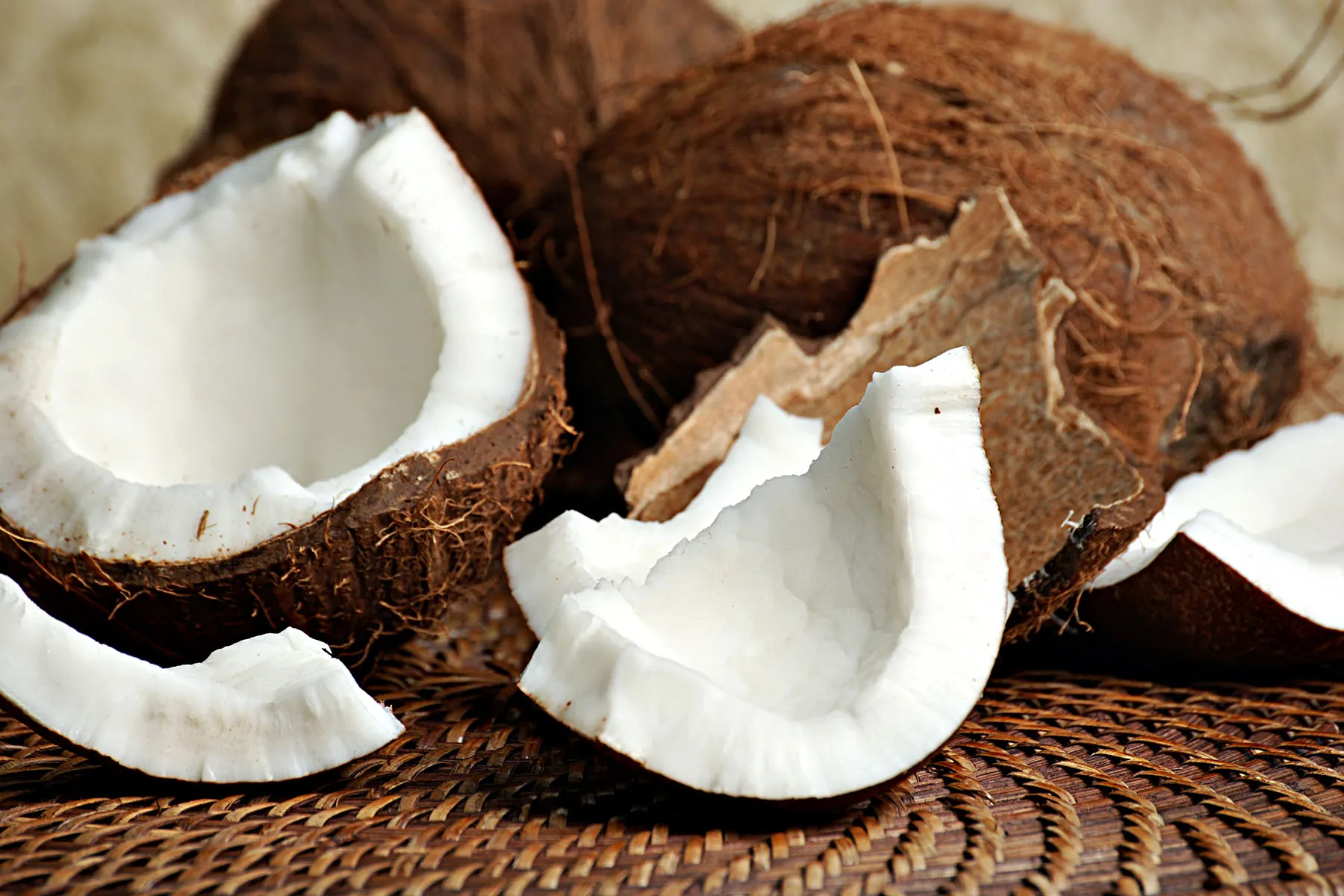
Symbol of purity & selfless offering; breaking it represents breaking the ego.
Prosperity & fertility; the whole plant is considered sacred.
Bunches reflect unity and abundance; sweetness of collective effort.
Wards off negativity and invites freshness & clarity.
Tap any card to view a highβres photo and details.
Lord Ganesha β remover of obstacles and patron of wisdom β is celebrated across India. This scrolling timeline highlights key stories and how the Matoli tradition connects to nature and gratitude.
According to popular lore, Parvati shaped Ganesha from sandal paste and breathed life into him. Shiva later recognized him as his son and blessed him as the foremost deity invoked at beginnings.
Fruits symbolize the results of effort (karma phala). Hanging them in the Matoli is gratitude to nature's abundance and a wish for prosperity in the year to come.
The festival gained a public form during the late 19th century, encouraging community unity and cultural expression. In Goa, Matoli adds a distinct local ecological flavor.

See how families craft the Matoli β the sourcing, the tying, and the final beautiful canopy around Lord Ganesh.
Test your knowledge about the sacred Matoli tradition!